
What Is Lab-Grown Gold? (And What It Really Means for Jewelry)
February 24, 26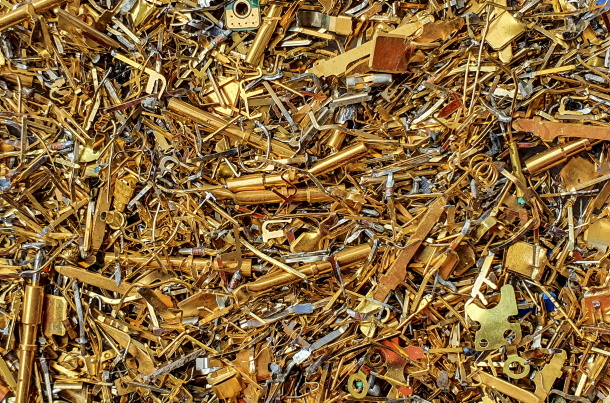
(in association with BriteCo) - Lab-grown gold is often used as a marketing term to simply refer to recycled or recovered gold. While it is possible for scientists to create lab-grown gold via scientific processes like nuclear transmutation, making true gold in a lab is highly impractical to do at scale. Products marketed as lab-grown gold (or recycled or recovered gold) are chemically identical to mined gold and, as such, are equivalent in monetary value. However, recycled gold may be more sustainable than its mined counterparts to some people and producers. Here's everything you need to know around the topic of what is lab-grown gold and how you can shop for it confidently. The short answer is, yes, it is possible to create gold in a lab. As IDEX reported in July 2025, a recent example is the US startup Marathon Fusion that has been working on the process using mercury-197 to produce gold. However, making gold via nuclear fusion requires an immense amount of energy. Additionally, gold produced under this method remains radioactive for up to 18 years. As lab-grown diamonds have become a highly popular alternative to natural diamonds, particularly for engagement rings, it's fair to wonder, if it's so easy to produce lab-grown stones, why can't we do the same with a gold nugget? But really, it all has to do with how the two materials form in nature. Diamonds form when carbon is exposed to high-heat, high-pressure conditions - an environment that scientists can more easily replicate in a lab. In contrast, all the Earth's natural gold was formed billions of years ago through cosmic events, before making its way to the surface of the planet. Think of the merger of neutron stars or massive stars exploding as a supernova. As such, these conditions are a little more difficult to copy in a man-made setting, and because of this challenge, true lab-grown gold hasn't caught on the way lab-grown diamonds have. As mentioned, what many sellers offer as "lab-grown gold" is, in reality, just recycled gold - or any gold reclaimed from unwanted jewelry, electronic waste, industrial waste, or automobiles. It's then returned to its pure form before being transformed into a new piece of jewelry. Recycled gold is chemically the same as mined gold on a molecular level, meaning it holds the same scrap value per gram and exhibits identical long-term market value behavior. At the same time, recycled gold is considered by some to be a more eco-friendly option than mined gold as it reduces the need for traditional mining and the reliance on depleting natural gold deposits. These are the primary terms you'll see used to describe gold jewelry in the marketplace. It's important to know their meanings, so you can be sure of what you're buying: Solid gold (10k/14k/18k/24k): Pure 100% gold is too soft for jewelry so what you're buying is gold mixed with other precious metals to form a more durable alloy. The varying karat counts refer to the concentration, and therefore, purity of the gold used. White gold and rose gold also fall under this category. Recycled gold: Real gold with the same value and purity as solid gold, but it's made by reclaiming and refining previously existing quantities that were used for another purpose. Gold vermeil: The piece features a layer of gold applied over sterling silver; a specific thickness of gold must be applied. Gold plated/PVD-coated: A thin layer of gold is applied to a base metal; durability and value vary. Lab-made gold: Unless the seller is attempting to pose recycled gold as lab-made gold, actual lab-made gold is created via nuclear transmutation. However, you won't find this in the mainstream jewelry supply. Lab-Grown Gold and Recycled Gold Dos & Don'ts Do: Treat "lab-grown gold" as a marketing term. Any time a seller uses this term, inquire further regarding the metal's true origins. Don't: Assume recycled gold will cost less than its natural counterpart (like lab-grown diamonds) or that recycled gold is automatically sustainable as some producers may still use unsustainable practices. Do: Use recycled gold as the most straightforward alternative for real gold jewelry. No! If you work with a reputable specialty jewelry insurance provider like BriteCo, they will treat your lab-grown and recycled gold as authentic - because it is. Since both true lab-grown and recycled gold are chemically the same as mined gold, and therefore equivalent in value and value retention, BriteCo insures recycled and lab-associated gold jewelry exactly the same, as long as proper documentation is available at the time of appraisal. In the same way that BriteCo covers lab-grown diamonds, coverage is based on value and risk, not origin. So long as the piece of jewelry can be appraised and replaced, it can be insured, regardless of whether the gold is mined or recycled. Getting an online jewelry quote from BriteCo only requires an appraisal, photos, and purchase documentation. You can get coverage as soon as today to protect your jewelry from loss, theft, mysterious disappearance, and accidental damage anywhere in the world, 365 days a year, 7 days a week. Is Lab-Grown Gold Real Gold? The term lab-grown gold is often a misnomer used to describe recycled gold. However, recycled gold and gold that's actually grown in a lab (while rare) are both identical to mined counterparts on a chemical level and in value. Can Gold Be Lab-Grown? Yes. While it is very difficult and rare, gold can be made in a lab through nuclear technology. Is Lab-Grown Gold the Same As Recycled Gold? In many cases, yes, lab-grown gold is the same as recycled gold, and some sellers may market recycled gold as lab-grown gold. Yes, lab-grown gold is measured by karats the same way as mined gold. Is Gold Vermeil Better Than Gold-Plated Jewelry? Gold vermeil is better than gold-plated in most cases. Gold vermeil must include a certain thickness of gold applied to a sterling silver base, while gold-plated jewelry may feature any amount of gold and any base metal, leading to a potential lack of durability and value.Can Gold Be Made in a Lab?
Is It Similar to Lab-Grown Diamonds?
The Lab-Grown Gold Market: A Quick Overview of Recycled Gold
Lab-Grown Gold Vs. Recycled Gold Vs. Mined Gold

What About Other Types of Gold? An Overview of the Terminology
What Kind of Gold Should You Buy?

Is Lab-Grown or Recycled Gold Considered Fake by Insurers?
Lab-Grown Gold FAQs